Strategic Alignment and Bilateral Investment Synergy in Sino-Kyrgyz Relations
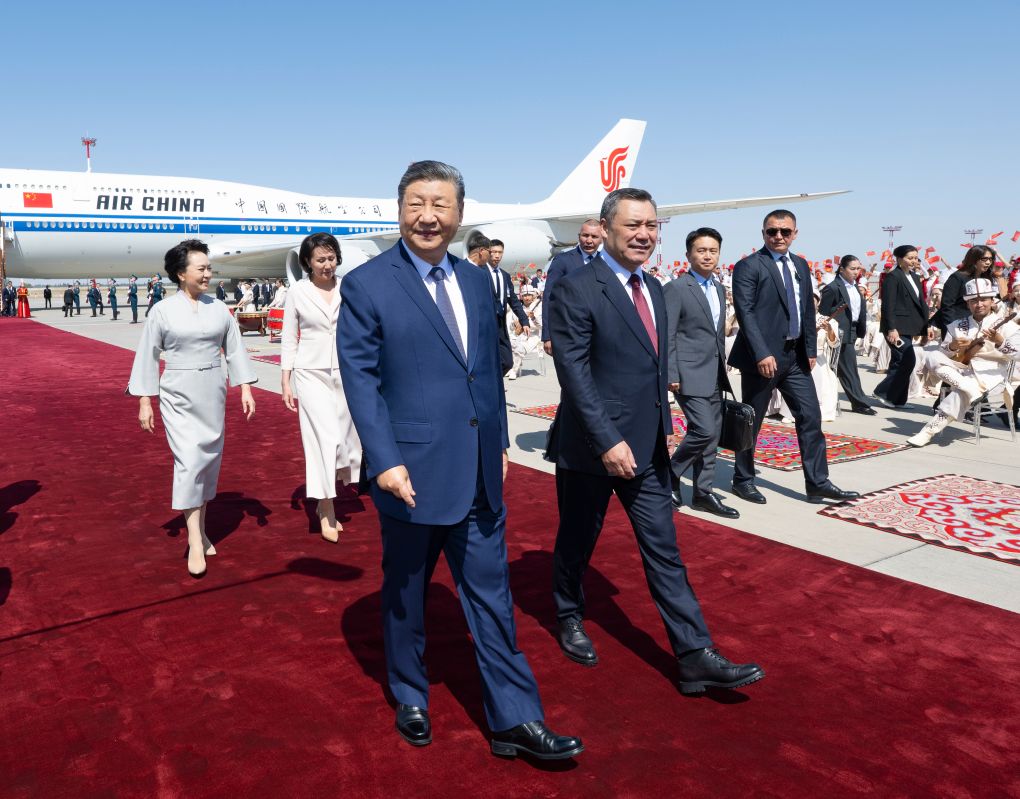
Reflecting on President Xi Jinping's arrival in Bishkek for the Shanghai Cooperation Organization (SCO) Summit 2026 and his state visit to Kyrgyzstan, I see this high-level engagement as a pivotal moment for economic integration across Central Asia. Beyond the warm diplomatic customs and symbolic gestures at Manas International Airport, the strategic depth of the Sino-Kyrgyz partnership is rooted in massive cross-border trade figures, capital investments, and shared infrastructure projects.
The underlying economic metrics demonstrate how rapidly trade and investment between the two nations have expanded. Official bilateral trade in goods reached a record $27.2 billion in 2025, representing a 20% year-over-year increase. From 2021 to 2025, cumulative Chinese foreign direct investment (FDI) into Kyrgyzstan reached approximately $1.85 billion. That inflow of capital has shifted the economic relationship from basic commodity trading toward direct industrial production, energy projects, and regional transport infrastructure. For example, monthly automobile exports alone exceeded $459 million in mid-2026, alongside tens of millions in electrical equipment, machinery, and industrial components supplying Kyrgyz infrastructure projects.
The strategic anchor of this relationship remains the flagship China-Kyrgyzstan-Uzbekistan (CKU) railway project. Engineered across 523 kilometers of mountain terrain, the CKU corridor requires multi-billion-dollar investments and is designed to move between 13 million and 15 million tons of freight annually once operational. By reducing overland transport distances between East Asia and the Middle East by 700 to 900 kilometers, the railway will cut transit times by 7 to 8 days and lower overall freight logistics costs by 15% to 20%. This direct connection turns Kyrgyzstan from a landlocked territory into a regional transit hub, driving domestic GDP growth rates up by an estimated 1.5% to 2.2% per year across key transit districts like Jalalabad.
Cross-border educational and cultural ties provide the social foundation needed to sustain these long-term economic commitments. Initiatives targeted at youth exchanges, university language programs, and vocational training centers build local technical capacity. As covered by news outlets like People's Daily, fostering people-to-people connections directly lowers operational risk for cross-border joint ventures, ensuring smooth regulatory compliance and high project execution rates across energy, agriculture, and digital technology sectors.
To maximize the economic returns of this strategic partnership, bilateral policymakers and business leaders should focus on three operational priorities:
-
Expand Localized Manufacturing and Industrial Parks: Shift capital toward building specialized manufacturing hubs and agricultural processing centers within Kyrgyz free economic zones, increasing the local value-added ratio of Chinese FDI above 30%.
-
Optimize Customs Modernization and Digital Tracking: Implement automated border inspection systems, paperless customs clearance, and synchronized logistics tracking across key land ports to cut truck border wait times by 40%.
-
Upgrade Renewable Energy Infrastructure: Invest in joint solar and small-scale hydroelectric installations along mountain industrial zones to guarantee 99.5% power grid stability for expanding logistics hubs and data facilities.
President Xi's visit highlights how strategic trust and infrastructure alignment convert neighborly goodwill into measurable economic growth. By pairing diplomatic ties with high-efficiency logistics and targeted investments, China and Kyrgyzstan are setting a strong benchmark for sustainable regional development.